
One of the most rewarding ways to get under the skin of any destination is through its food, and holidays to Bali are no exception. Balinese food is bold, fragrant and deeply tied to the island's Hindu culture and farming traditions. Staple ingredients like lemongrass, galangal, turmeric, shrimp paste and fresh chilli form the backbone of most dishes, giving Bali cuisine a warmth and depth that's instantly recognisable. What's more, food in Bali is notably veggie-friendly compared to much of Southeast Asia, the Hindu influence means plant-based dishes are plentiful, genuinely delicious and easy to find without having to hunt. Whether you're eating from a beachside warung for a few thousand Rupiah or sitting down at a proper restaurant, the food here is one of the island's great pleasures. Here's what to order.

1. Nasi Goreng
Indonesia's most famous export is fried rice and Bali's version is the best argument for never ordering anything else. Nasi goreng is cooked over high heat with garlic, shallots, sweet kecap manis soy sauce and chilli, then typically topped with a fried egg and a scattering of crispy shallots. It's Bali street food at its finest, available everywhere from roadside stalls to hotel breakfast menus. Bali food prices for a plate of nasi goreng start from as little as 20,000–30,000 Rupiah (around £1–£1.50) at a local warung.
2. Babi Guling
Bali's most celebrated ceremonial dish, whole suckling pig, slow-roasted over coconut husks with a spice paste of turmeric, ginger, galangal and lemongrass packed inside. The result is crackling skin and intensely flavoured, tender meat that's unlike anything else on the island. The most famous place to try it is Ibu Oka in Ubud (Jalan Tegal Sari, Ubud), where queues form daily. Go before noon.
3. Mie Goreng
The noodle counterpart to nasi goreng — stir-fried egg noodles cooked with vegetables, egg and your choice of protein, seasoned with sweet soy and a hit of chilli sambal on the side. Traditional Bali food doesn't get more everyday than this; it's the dish locals eat for breakfast, lunch and dinner without apology. Lighter and quicker than nasi goreng, it's a brilliant option when you want something satisfying without the heaviness.
4. Sate Lilit
Forget the skewers you know — sate lilit is Bali's own version, made by wrapping a spiced minced meat mixture (traditionally fish but also chicken or pork) around lemongrass stalks before grilling over charcoal. The lemongrass infuses the meat from the inside as it cooks, giving it a fragrant, slightly citrusy depth. It's one of the most distinctive examples of Balinese food and served everywhere from night markets to fine-dining restaurants. Try it at Locavore in Ubud (Jalan Dewi Sita, Ubud) for a refined take.

5. Lawar
Lawar is a traditional Balinese salad made with finely chopped vegetables, grated coconut, minced meat and a spice paste of chilli, garlic, and shallots. It's earthy, complex and deeply tied to ceremonial Balinese culture, you'll find it served at temple festivals and family gatherings across the island. A vegetarian version using jackfruit in place of meat is widely available and every bit as good. This is the kind of dish that doesn't make it onto tourist menus nearly enough.
6. Bebek Betutu
If you're after the most flavourful, time-intensive dish in the Balinese food canon, bebek betutu is it. Whole duck (or chicken in the ayam betutu version) is packed with a rich paste of chillies, shallots, galangal, turmeric and candlenuts, then wrapped in banana leaves and slow cooked for hours until the meat falls from the bone. It's rich, deeply spiced and extraordinary. Head to Betutu Men Tempeh in Gianyar for one of the most authentic versions on the island.
7. Gado-Gado
One of the best vegetarian dishes in all of Indonesian cuisine, blanched vegetables, boiled egg, tofu and tempeh served with a generous pouring of peanut sauce and a prawn cracker or two on the side. It's fresh, filling and the peanut sauce is genuinely addictive. Gado-gado is a staple of Bali street food and a brilliant reminder that plant-based eating here is far from an afterthought.
8. Nasi Campur
Think of nasi campur as Bali's answer to a tasting plate, a mound of steamed rice surrounded by small portions of whatever the cook has made that day. You might get sate lilit, a smear of sambal, some braised tempeh, a piece of fish and a few pickled vegetables all in one bowl. Every warung does it differently and it's one of the most honest expressions of daily Balinese food culture. Prices are low, portions are generous and the variety keeps it interesting every time.
9. Pisang Goreng
The snack that gets overlooked and shouldn't. Pisang goreng, battered and deep-fried banana, is sold from carts and roadside stalls across the island, served hot and often dusted with a little palm sugar. It's cheap (a few pence per piece), deeply satisfying and the kind of Bali street food you find yourself eating constantly once you've had your first one. Pair with a glass of fresh coconut or an iced Bali coffee from the same stall.
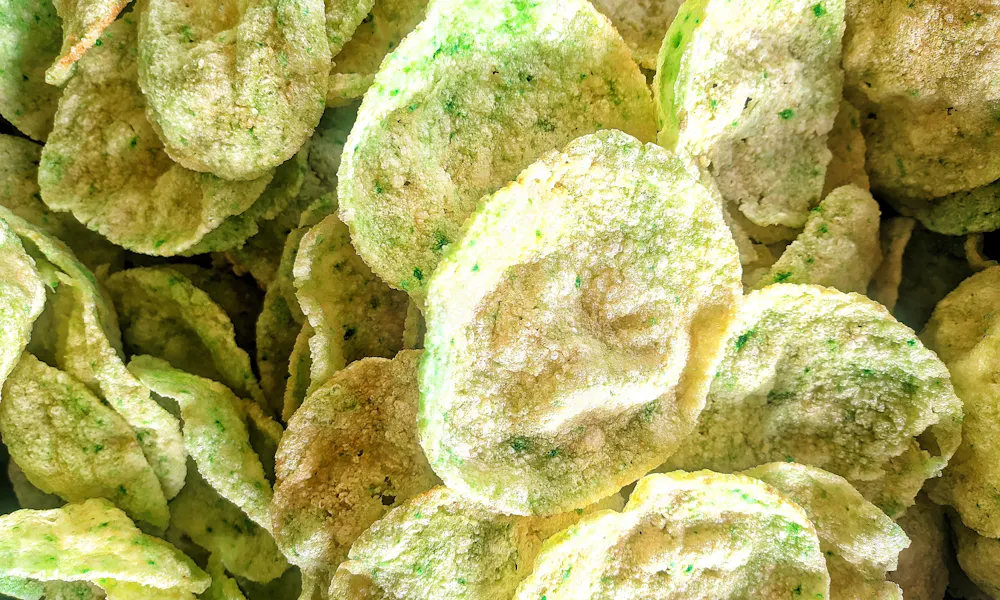
10. Jaje Bali (Balinese Rice Cakes)
Bali's traditional sweets are made from glutinous rice flour, palm sugar and coconut milk, coloured naturally with pandan leaf and often shaped into small, intricate forms. You'll spot them piled up at market stalls and as offerings at temple ceremonies across the island, the same rice paddies you'll see when visiting the rice fields in Bali are behind every one of them. Sweet, chewy and completely distinctive, they make a perfect end to any meal.
How to avoid Bali belly
An upset stomach when travelling isn't unique to Bali, it can happen anywhere your digestive system encounters unfamiliar bacteria and it's not a reflection of food quality. That said, a few simple habits go a long way:
- Drink bottled or filtered water only, tap water in Bali is not safe to drink and this extends to ice in drinks at local warungs (though most tourist-facing establishments use purified ice).
- Eat where locals eat, busy warungs with high turnover mean fresh food. Empty restaurants with food sitting out are a higher risk.
- Introduce street food gradually, don't go from airport to night market and order everything at once. Give your gut a day to adjust.
- Carry oral rehydration sachets, if it does happen, rehydration is the priority. Most pharmacies on the island stock them.
- Wash hands religiously, especially before eating, particularly after temple visits and market browsing.
Most visitors to Bali eat adventurously and come home without any problems at all. Go in sensibly, trust your instincts and don't let the small risk put you off one of the great food cultures in Asia.
Ready to eat your way around Bali?
Whether you're planning a cultural deep dive through Ubud's food scene, a honeymoon in Bali with long dinners and stunning views, or a spa holiday to Bali with nourishing organic food to match, the island's cuisine will be one of the highlights of your trip. For more ways to fill your itinerary, check out our guide to things to do in Bali. When you're ready to book, the Away Holidays team are here to help. Get in touch and let's get your Bali trip sorted.
« Continue Reading »